

[blog-archive-images]
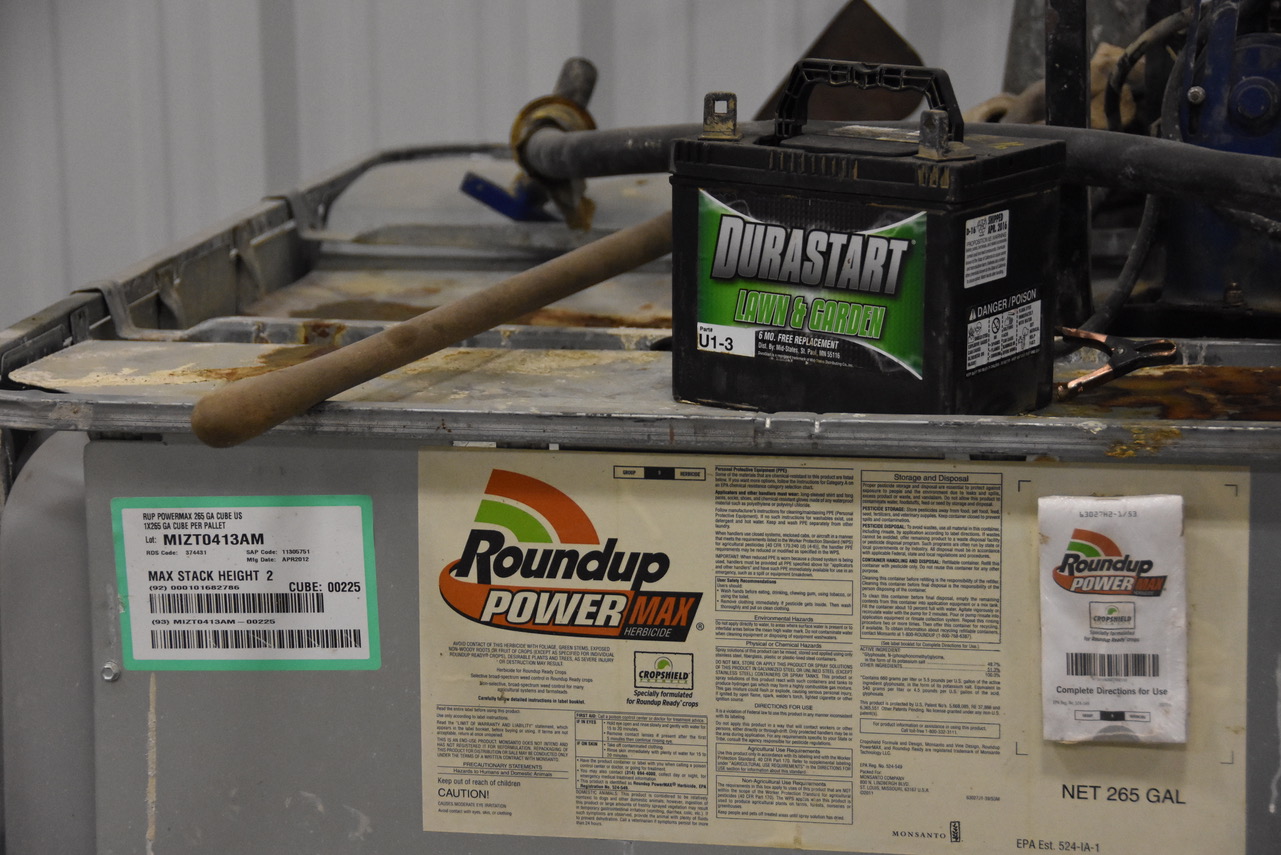
I shall never forget the face of Californian groundskeeper Dewayne “Lee” Johnson, his skin ravaged by lesions and scars, the visual signs of Hodgins Lymphoma. For his job Johnson had to use glyphosate, the active ingredient of the weed killer Roundup, almost on a daily basis. He was the first to sue Monsanto, now Bayer-Monsanto, in 2018: the evidence that glyphosate caused cancer was piling up, and in 2015 IARC, the International Agency for Research on Cancer, which is part of the World Health Organisation WHO, had reviewed independent research on glyphosate and Roundup and concluded that it was a ‘probable human carcinogen’. Since then, close to 200,000 lawsuits have been filed in the US, and Bayer has so far paid out over U$11 billion. Worldwide, glyphosate is the most used pesticide, not just in agriculture, but also in cities and private gardens. But for Bayer, the lawsuits have turned a money-spinning product into a dangerous financial liability.
Warning signs
Most of the lawsuits hinge on a single question: should Bayer have warned customers of the cancer risk? Litigants argue that because there was no warning it felt safe to use Roundup on a regular basis, which then caused their illness. Bayer insists the pesticide does not cause cancer and says there was no need for a warning because the Environmental Protection Agency, EPA, which is responsible for pesticide labelling in the US, declared glyphosate to be ‘safe’. On the last Monday in April, the US Supreme Court heard oral arguments, a verdict is expected in the next few months. Were the judges to decide in favour of Bayer Monsanto, most of the pending lawsuits would no longer have a basis.
Bayer has been working hard to insulate itself from litigation: from lobbying lawmakers to a private meeting between the boss of Bayer US and the head of the EPA. Bayer has warned that it will have to withdraw glyphosate from the market if the legal challenges were to continue, which, the company claims, would have devastating consequences for US farmers and food security. The company has the US president on its side, too. In February Trump issued an executive order to increase domestic glyphosate production, because it was ‘critical to the national defence’. Over 70 environmental and health organisations have filed a brief at the Supreme Court, arguing that tens of thousands of cancer sufferers should not lose the right to sue. The EPA only undertakes very limited safety reviews, often bases purely on data provided by the industry. And in December of last year, a scientific journal redacted a landmark glyphosate safety study published in 2000 because the significant involvement of Monsanto in the research had come to light.
So, how did the hearing before the Supreme Court go? “The justices seemed to lean toward restricting the lawsuits, but they asked tough questions of both sides and the outcome remains unclear”, writes Justin Jouvenal who was in court, covering the hearing for the Washington Post.
Why does this matter for the UK?
The court decision matters because more glyphosate than ever is used in the UK, too. At the beginning of April, the Pesticide Action Network, PAN UK published an analysis of government data which showed that ” the amount of glyphosate being applied to UK crops has risen from 200 metric tonnes per year in 1990 to more than 2,200 tonnes in 2024. (…) During the same time period, the area of UK farmland treated with the toxic herbicide increased tenfold to over 2.6 million hectares in 2024, sixteen times the size of Greater London. The vast majority of these increases took place within the arable sector, with cereals (wheat, barley, and maize) leading the way”[1]. It’s also increasingly used in towns and cities to deal with weeds – in parks, sports fields, playgrounds and along the curbs of our streets[2]. Glyphosate is bad for the environment, it kills not just weeds, but any leafy plant it gets in contact with, it harms pollinators, soil life and amphibians. And even if you are not a groundskeeper or a farmer who uses Roundup on a regular basis, glyphosate negatively effects everyone’s health and is linked not just to cancer, but a host of other illnesses, too. (If you want to know why, check out: https://www.slowfood.org.uk/2025/08/11/glyphosateandwheat/)
In the UK, the license for glyphosate runs out this year and the government has to decide by December 15th whether or not to renew it[3]. PAN and other environmental and health campaigners across Europe are fighting for a total or a partial ban at least. The chances of success will hinge in part on whether the US Supreme Court sides with Bayer – or with cancer victims.
[1] https://www.pan-uk.org/glyphosate-rise-in-the-uk/
[2] PAN is running a glyphosate free towns campaign: https://www.pan-uk.org/pesticide-free/
[3] A 60-day public consultation period should be launched in June.
Marianne Landzettel is a journalist and author writing and blogging about food, farming and agricultural policies in the UK, the US, continental Europe and South Asia. She worked for the BBC World Service and German Public Radio for close to 30 years. Follow her on X at @M_Landzettel and Instagram @m.landzettel . Image used with kind consent of @M.Kunz
The Slow Food blog welcomes contributions on the topics of Food, Farming and Agriculture. The contents may not entirely match the views of Slow Food, but reflect the journeys of the authors. To write for us please click here


