

[blog-archive-images]
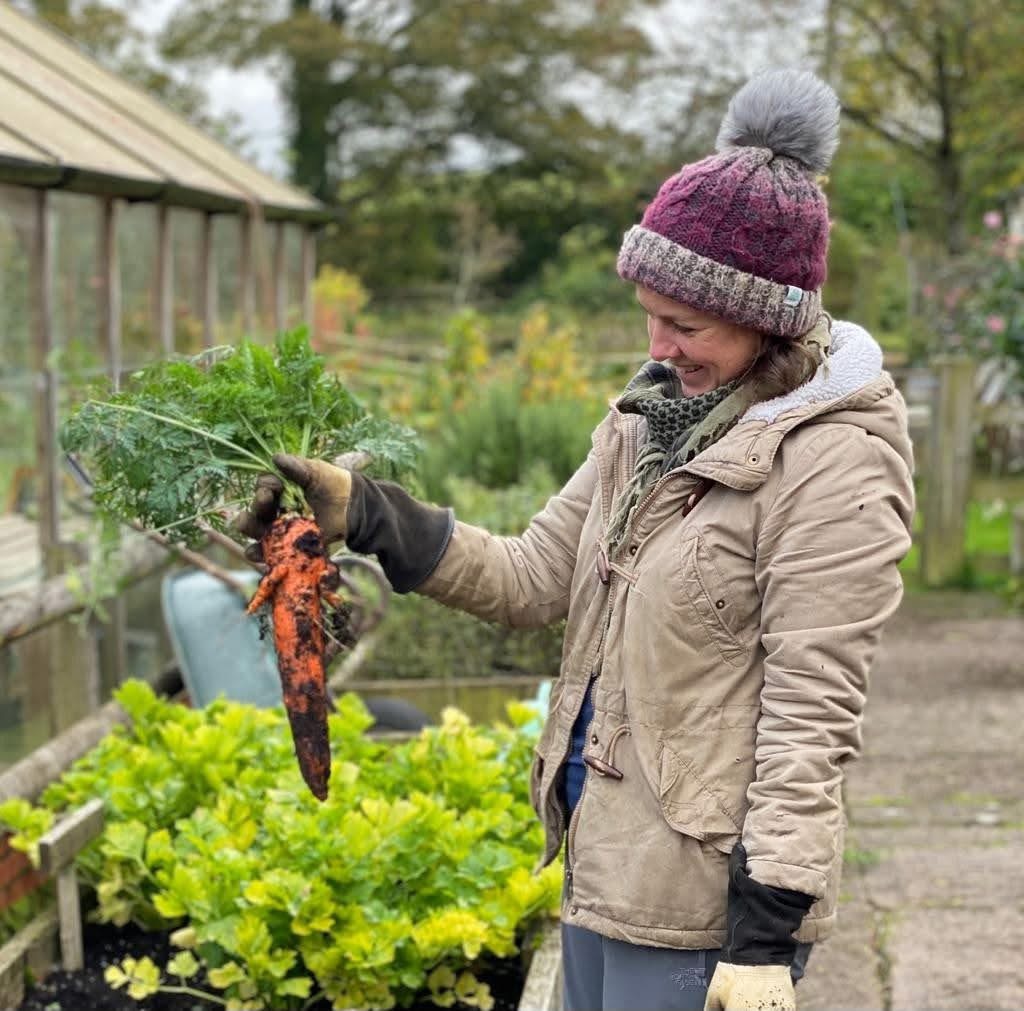
For nearly fifteen years, my family and I lived by the daily pace of food. Not the pace at which it is bought, scanned or delivered, but the slower work of growing it through soil, seasons and responsibility. Our days were shaped by feeding animals, collecting eggs, sowing seeds, fitting in abattoir runs, shovelling muck and bottling produce, with the quiet satisfaction of producing something honest for ourselves and others.
We spent those years running a smallholding in the Shropshire Hills, surrounded by rare-breed British Lop pigs, Soay sheep, an eclectic mix of chickens and a small flock of Aylesbury ducks, while growing vegetables in abundance. We sold directly to customers who cared where their food came from and valued the weeks, months, and sometimes seasons of unseen time and care behind it. It was demanding labour, often tiring, occasionally heartbreaking, and more instructive than I understood at the time. Yet those years changed how I see almost everything.
Because slow-grown food had a way of teaching us lessons and rewarding us more slowly than anything we had experienced in modern-day life – where things arrive quickly, answers come instantly and delays feel somehow unreasonable.
On our small farm, as with all slow-grown food, seeds germinated when conditions were right, not necessarily when we were ready. Tomatoes coloured slowly with warmth and light. Piglets arrived in their own time, usually after nights of checking and waiting. Lambs came when they came, and root crops were no use to anyone until the earth had done its work beneath them.
Some of the finest food moments came precisely because they could not be hurried: lifting the first new potatoes of summer, tasting the first cucumber in the greenhouse while it still held the day’s heat, seeing healthy piglets feed well, gathering warm eggs on a cold morning.
When things took time, we valued them differently and paid more attention to our environment. We noticed when the rain had not fallen for even a few days, when frost threatened tender new growth, when a ewe stood apart from the others or when a hen was quieter than usual.
The British Lop pigs taught this as much as anything. They were hilarious and intelligent animals, each with their own character and temperament. But good slow-reared pork began long before the butcher. It began with breed choice, with time to grow and develop fat and flavour. It began with good husbandry, in the freedom to move, root and mature at a natural pace. What later reached the plate was richer, deeper and altogether more satisfying for it.
The Soay sheep carried another sort of lesson. Hardy and self-reliant, they asked less of us than many modern breeds, yet still required vigilance and a long time to grow to full size.
Then there were the birds: chickens with endless character and hierarchy, and Aylesbury ducks that waddled with more determination than grace.
Alongside the beauty came setbacks and relentless responsibility, especially if animals became ill, or escaped with surprising ingenuity. Vegetables failed just as confidence was rising. Fences broke at the least convenient moment and bills arrived whether the season had been kind or not.
Yet there was also reward of a kind difficult to measure.
A customer would tell us our pork reminded them of how meat used to taste, what they were tasting was not nostalgia alone, but time given properly to animals, land and craft. There would be nothing more fulfilling than seeing a child watch chickens or piglets for the first time; or chatting with neighbours who’d popped by for eggs; or guests picking warm tomatoes from the greenhouse.
Those moments mattered to me, and they still do.
Over time, I became increasingly aware of how easily slow-grown food can lose its place in the story. Not through malice or indifference, but through distance. Busy lives encourage convenience. Packaging replaces people. Price speaks louder than season, breed, soil or skill, and slowly food becomes anonymous.
And when it does, questions fade with it. Who produced this? How was it raised? What determined the flavour? What disappeared to make it cheap? Why does one chop satisfy deeply while another is merely eaten?
Those questions eventually became the seed of my book, A Life Worth Eating.
I did not want to write a manifesto or a how-to guide. I wanted to record the human story behind food through lived experience: escaped livestock, anxious nights, abundance and failure, the realities of butchery, the humour found in hard days, and the gratitude that grows when nourishment is understood properly.
Places that grow food slowly may look modest from the roadside, but they hold knowledge that is easily overlooked: how to work with seasons, how to raise animals attentively, how to grow food with intimacy rather than scale, how to endure uncertainty without becoming detached from what matters.
What did we learn most from those years? Probably that convenience is expensive in ways that are rarely counted.
Cheap food can cost flavour, nutrition, livelihoods, animal welfare, skills passed quietly through generations and the relationship between eater and producer. What often disappears first is the time food most needs: time for soil to recover, for animals to mature well, for crops to develop flavour, for skill to be practised carefully.
The farm taught us to eat with intention. It taught us to value less but better. It taught us that care does not guarantee outcomes, and that good husbandry, whether of land, animals or people, asks for humility as much as effort. Most of all, it taught me that time, when given to food, is rarely lost. It returns as flavour, nourishment and memory. That is why slow-grown food still matters so much to me: not as nostalgia, but as nourishment made properly.
Although I no longer live that farming life, it has never really left me. It shaped how I cook, how I shop, how I think, and why I felt compelled to write about those years.
Because behind every meal is a story, and some of them are worth remembering.
Samantha Gray Instagram samgraywritings
Her book A Life Worth Eating is available from all good bookshops


